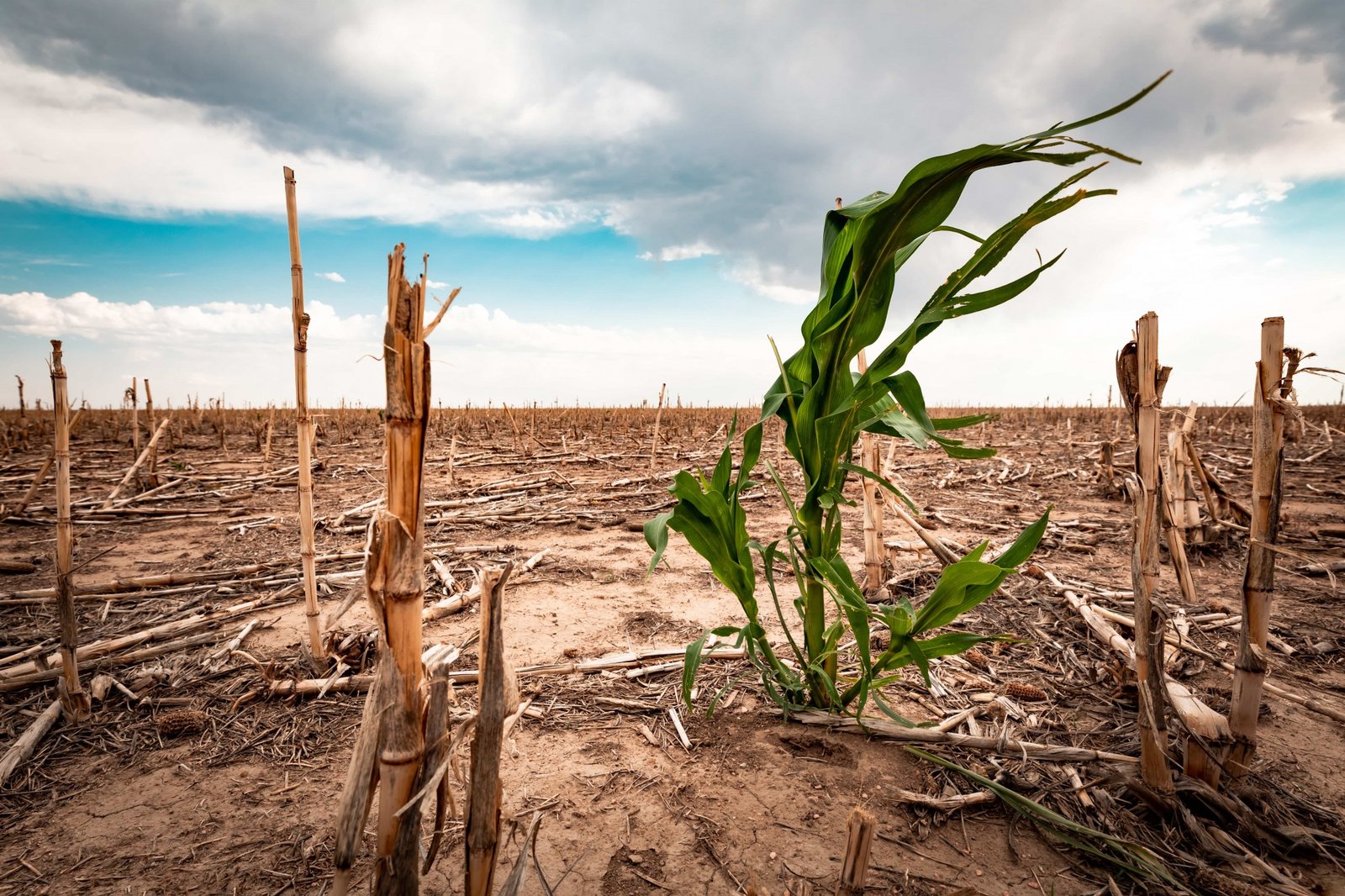
The vagaries of nature, to be precise, successive acute monsoons have adversely impacted the area of crop coverage in India. The situation may not be alarming yet, but the consequence of climate change are discernible.
The area of coverage under kharif (monsoon) crops, like paddy and pulses, have declined to some degree. The stock of certain food grains indicates a depreciating surplus in the central pool when compared to the corresponding period last few years.
The government recently quoted a study under National Innovations in Climate Resilient Agriculture (NICRA) in the Budget Session of Parliament on the issue.
“As per the studies,” according to Minister of State, Ministry of Environment, Forest and Climate Change, Ashwini Kumar Choubey, “rainfed rice yields in India are projected to reduce marginally (<2.5%) in 2050 and 2080 and irrigated rice yields by 7% in 2050 and 10% in 2080 scenarios. Wheat yield is projected to reduce by 6-25% in 2100 and maize yield by 18-23%.”
However, the minister disclosed that climate change is likely to benefit chickpeas with an increase in productivity (23-54%).
NICRA, a network project, was launched by the Indian Council of Agricultural Research (ICAR) during February 2011 to study and address the impacts of climate change on Indian agriculture.
Climate change
In a written statement to a question on Government study to assess the adverse effects of climate change, Choubey noted that a number of Research & Development projects have been supported under the National Missions on areas such as coastal vulnerability, health, agriculture and water.
An ICAR policy brief on the impact of climate Change on Indian Agriculture concluded that overall, the empirical results show that climate change adversely impacts both the kharif and rabi (sowed during winter) crop yields across ACZs (agro-climatic zones).
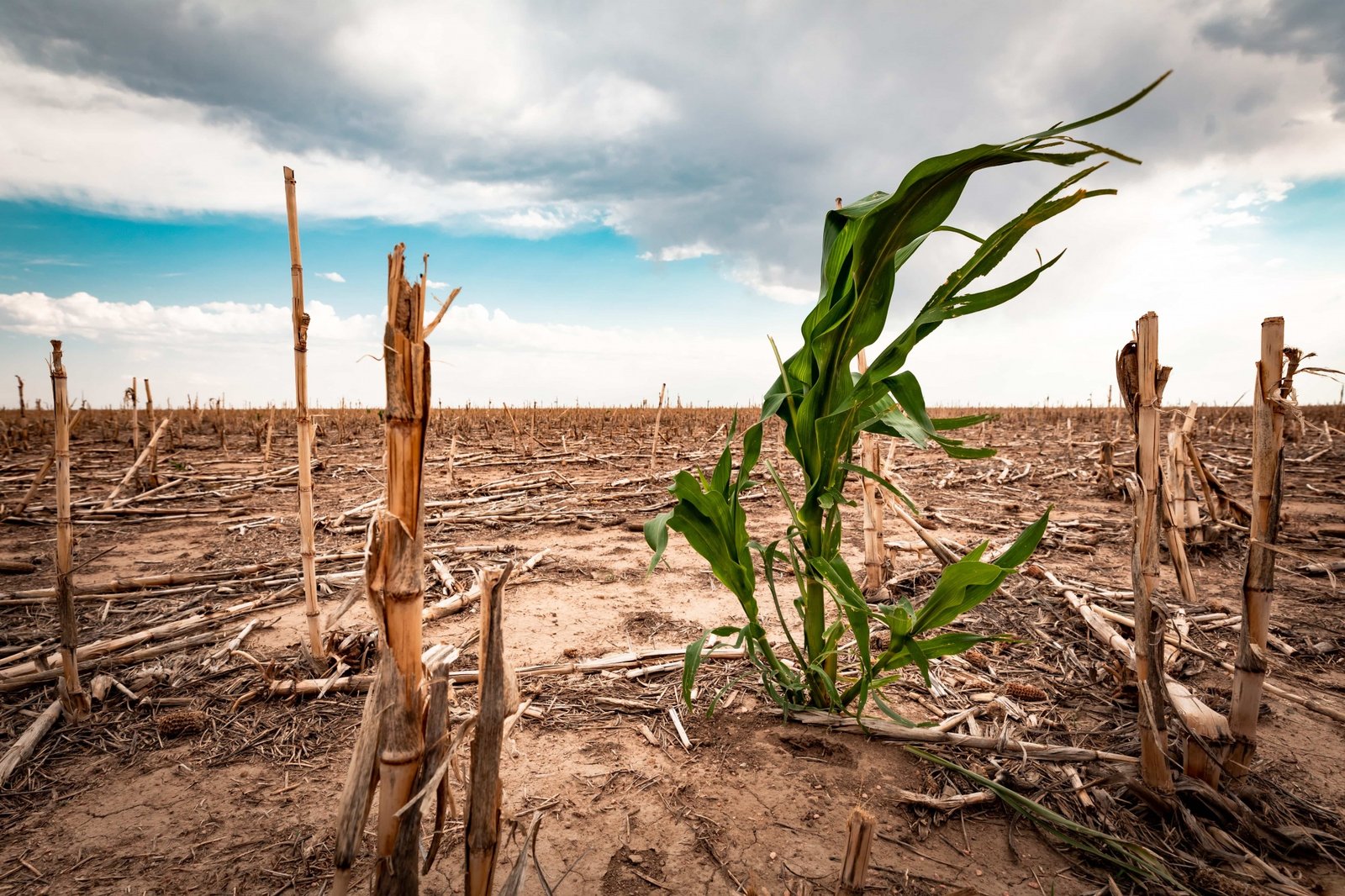
The report said, “…the near-term impact of climate change on crop yields will not be severe. However, it is likely that the increasing incidence of extreme fluctuations in climate in the form of droughts, dry spells, floods and heat waves could result in a discernible effect on agriculture production and productivity.”
For kharif, “The projected impact of climate change on crop yields showed that rice yield will decline by 5.49 and 6.79 percent in Eastern Himalayan Region (covering north-eastern states and parts of West Bengal) by 2050s and 2080s.”
It added, “Climate projections for rabi crops indicate that wheat will reduce by 5.84 and 7.17 percent by 2050s and 2080s in Western Dry Region (Rajasthan). For the similar periods it will reduce by 3.98 and 4.93 percent in Eastern Himalayan Region and 2.57 and 3.11 percent in Trans-Gangetic Plains (covering Chandigarh, Delhi, Haryana, Punjab, and three districts in Rajasthan). In Gujarat Plains & Hills, wheat is likely to increase by 3.20 percent by 2050s.”
The study included other crops too and was conducted as a part of the NICRA-funded project “Strategic Research Component of National Innovations in Climate Resilient Agriculture”.
Vulnerability indicators
Among the major vulnerability indicators mentioned in the 2019 report quoted by Choubey were annual rainfall, available water holding capacity (AWC) of soil, and groundwater availability.
“Annual rainfall is less than 500 mm in 28 districts largely located in Rajasthan, Haryana and Punjab,” the report found. “The rainfall ranged between 500-700 mm in 59 districts. One hundred and ninety-five districts largely located in eastern and northeastern states, Kerala and Maharashtra receive more than 1300 mm rainfall annually.” It added.
AWC, which indicates the amount of water that a plant can take from the soil and is a function of soil texture and depth, “is less than 60 mm in 164 districts many of which are located in Bihar, Chhattisgarh, Jammu and Kashmir, Arunachal Pradesh and Assam. About 154 districts in Uttar Pradesh, Madhya Pradesh, Maharashtra and Haryana, soils can hold more than 125 mm of water.”